 May 05, 2026


Key points on aligners and jaw issues

TMJ/TMD relief: Aligners can help with temporomandibular joint (TMJ) issues by establishing a more balanced bite, which reduces pressure on the jaw joints.
Overbites and crossbites: They are effective for mild to moderate misalignment, including overbites, underbites, and crossbites.
Reduced muscle tension: Properly aligned teeth prevent the jaw from "working overtime," which can reduce clenching and, according to some, alleviate related pain.
Limitations: If the jaw problem is solely structural or skeletal, aligners might not be the primary solution. According to them, they are generally not recommended as an initial treatment for severe TMJ dysfunction.
Not a guarantee: While some users report significant relief, others may find that without proper, targeted planning, aligners may not fix or could aggravate underlying pain.
Table of Content
Understanding jaw problems and their impact
Aligners and bite correction
How to Fix Misaligned Jaw: Treatment Options
Signs you might benefit from aligners
Benefits of using clear aligners for jaw-related issues
Realistic expectations: what aligners can and cannot do
Final thoughts on fixing jaw problems with aligners
FAQs
Start your smile transformation today
Struggling with crooked teeth or jaw discomfort? Caspersmile Clear Aligners offer a simple, discreet solution to improve alignment and boost your confidence effortlessly.

Understanding jaw problems and their impact
Jaw problems are more common than most people think. They can range from mild misalignment to more complex structural issues involving the temporomandibular joint (TMJ). These conditions can affect not only your appearance but also your ability to chew, speak, and even sleep comfortably.
Common types of jaw problems
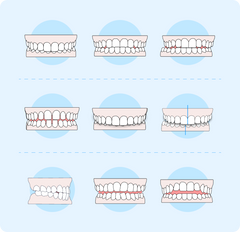
Jaw issues typically fall into a few key categories:
-
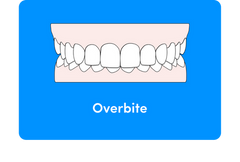
Overbite: Upper teeth overlap too much over lower teeth
-
Underbite: Lower teeth extend beyond upper teeth
-
Crossbite: Teeth don’t align properly when the mouth closes
-
Open bite: Upper and lower teeth don’t meet fully
-
Jaw misalignment: Improper positioning of the upper and lower jaws
These conditions often lead people to search for solutions like jaw misalignment treatment or how to fix misaligned jaw concerns.
Why jaw alignment matters
Jaw alignment isn’t just about aesthetics. When your bite is off, it can cause:
-
Chronic jaw pain or tension
-
Headaches and facial discomfort
-
Uneven tooth wear
-
Difficulty chewing or speaking
-
Clicking or locking of the jaw
Over time, these issues can worsen if left untreated, making early intervention crucial.
When aligners may not be enough
While aligners are powerful, they are not a one-size-fits-all solution.
Structural or skeletal jaw problems
If your jaw issue is caused by bone structure rather than tooth position, aligners alone may not be sufficient. Examples include:
-
Severe underbite or overbite
-
Jaw asymmetry due to bone development
-
TMJ disorders requiring medical intervention
In such cases, treatment may involve:
-
Orthodontic appliances
-
Jaw surgery (orthognathic surgery)
-
Combination therapies
Jaw dislocation with aligners
A common concern people have is jaw dislocation with aligners. It’s important to clarify that aligners themselves do not cause jaw dislocation. However, if someone already has a pre-existing TMJ disorder or instability, symptoms like clicking or discomfort may become more noticeable during treatment.
This is why professional evaluation is essential before starting any aligner plan.
Aligners and bite correction
One of the strongest areas where aligners shine is bite correction.
Are aligners effective for bite correction?
Yes, aligners are highly effective for correcting many types of bite issues, especially when detected early.
They can help:
Close open bites for better chewing function-
Reduce overbite by repositioning front teeth
-
Improve underbite alignment in mild cases
-
Fix crossbite by guiding teeth into proper contact
-
Close open bites for better chewing function
By improving the bite, aligners indirectly support better jaw positioning and reduce unnecessary stress on the jaw joints.
How to fix a misaligned jaw: Treatment options
The best approach depends on whether the issue is caused by your teeth, jaw structure, or even muscle habits. Understanding your options can help you make a more confident and informed decision.
Caspersmile Clear Aligners

Caspersmile Clear Aligners are a popular choice for mild to moderate cases, especially when the misalignment is linked to tooth positioning rather than the jawbone itself. They work by gradually shifting teeth into better alignment, which in turn improves how the upper and lower jaws meet.
For many people, this not only enhances the appearance of their smile but also reduces pressure on the jaw joints. They’re discreet, removable, and convenient, making them ideal for adults and teens looking for a flexible solution.
Improve your smile and jaw comfort today
Discover a comfortable, discreet way to align your teeth with Caspersmile Clear Aligners and enjoy better bite balance.
Traditional braces
Traditional braces are often recommended for more complex alignment issues that require a higher level of control. Unlike aligners, braces are fixed and can apply continuous pressure to move teeth in very precise ways.
They are especially effective in cases involving significant crowding, severe bite issues, or rotations that aligners alone may struggle to correct. While they may be more noticeable, their effectiveness in complicated cases makes them a reliable option.
Jaw surgery
For severe skeletal misalignment, where the position of the jawbone itself is the root cause, orthognathic (jaw) surgery may be necessary. This procedure repositions the jaw to create proper alignment and function.
It’s typically recommended when orthodontic treatments alone cannot resolve the issue. Although it sounds intimidating, modern surgical techniques are highly advanced and can dramatically improve both function and facial balance.
Physical therapy and lifestyle changes
Not all jaw problems require orthodontic or surgical treatment. In cases related to TMJ (temporomandibular joint) discomfort, non-invasive approaches can be very effective.
Jaw exercises, posture correction, stress management, and avoiding habits like teeth grinding or excessive gum chewing can all help reduce tension and improve jaw function over time. These methods are often used alongside other treatments for better results.
Signs you might benefit from aligners
You might be a good candidate for aligners if you experience:
-
Mild jaw discomfort linked to bite issues
-
Crooked or crowded teeth
-
Gaps affecting alignment
-
Minor overbite, underbite, or crossbite
However, if you experience severe pain, jaw locking, or frequent dislocation, you should consult a specialist before considering aligners.
Benefits of using clear aligners for jaw-related issues
When used appropriately, aligners offer several advantages:
Comfort and convenience
One of the biggest advantages of aligners is how comfortable they feel in daily life. Unlike traditional braces, there are no metal brackets or wires that can irritate your cheeks or gums. The smooth, custom-fit trays sit gently over your teeth, and since they’re removable, you can easily take them out when eating or during special occasions.
Aesthetic appeal
For many adults and working professionals, appearance matters during treatment. Clear aligners are nearly invisible, allowing you to straighten your teeth and improve jaw alignment without drawing attention. This makes them a discreet option for those who want subtle yet effective correction.
Gradual and predictable correction
Aligners follow a step-by-step treatment plan, where each set of trays makes small, controlled adjustments to your teeth. This gradual process not only ensures precision but also helps your jaw adapt more naturally as your bite improves, reducing unnecessary strain.
Improved oral hygiene
Maintaining oral hygiene is much easier with aligners compared to fixed appliances. Since you can remove them while eating and brushing, you can clean your teeth thoroughly without obstruction. This reduces the chances of plaque buildup, cavities, and gum issues during treatment.
Realistic expectations: what aligners can and cannot do
Understanding the limitations of aligners helps set realistic expectations.
What aligners can do
-
Improve bite alignment
-
Correct mild jaw misalignment
-
Enhance overall smile aesthetics
-
Reduce strain on jaw joints
What aligners cannot do
-
Reshape jawbones
-
Treat severe TMJ disorders alone
-
Replace surgical interventions when needed
Knowing this balance is key to making informed decisions.
Final thoughts on fixing jaw problems with aligners
So, can aligners fix jaw problems? The answer lies like the problem itself.
If your jaw issues are linked to tooth alignment and bite irregularities, Caspersmile Clear Aligners can be a highly effective and convenient solution. They not only improve the appearance of your smile but also contribute to better jaw function and overall oral health.
However, for more complex or structural issues, aligners may need to be part of a broader treatment plan that includes specialized care.
The best approach is always personalized, guided by a professional who understands your unique needs and goals. With the right plan in place, achieving a balanced, healthy smile is absolutely within reach.
FAQ's


Citations
Sicilia, L., Miranda, G. H. N., Fattori, L., Furquim, B. D. A., & Normando, D. (2026).
Impact of clear aligners on the temporomandibular joint: A systematic review. Orthodontics & Craniofacial Research, 29(2), 209–224. https://doi.org/10.1111/ocr.70094
Al-Worafi, N. A., Al-Nasri, A., Al-Warafi, L. A., Alsomairi, M. A., Alyafrusee, E. S., Alhashimi, N., & Zheng, B. (2024).
Effect of maxillary molar distalization using clear aligners and fixed orthodontic appliances on temporomandibular joint parameters: A 3D comparative study. BMC Oral Health, 24, 1372. https://doi.org/10.1186/s12903-024-05148-y
Durmuş, M., Bulut, M., & Hezenci, Y. (2025).
A comparative 3D finite element analysis of mandibular advancement with clear aligners and twin block appliances. BMC Oral Health, 25, 1954. https://doi.org/10.1186/s12903-025-07336-w
Porporatti, A. L., Schroder, A. G. D., Kuczera, M. S., de Barros, A. B., & Boucher, Y. (2026).
Clear aligners and bruxism: A systematic review. Journal of Oral Rehabilitation. https://doi.org/10.1111/joor.70189
Kulshrestha, R. (2025).
Temporomandibular disorders due to clear aligners. Indian Journal of Orthodontics and Dentofacial Research, 11(1), 1–2. https://doi.org/10.18231/j.ijodr.2025.001
Share This Article



Subscribe our newsletter
By clicking subscribe, you agree to our Privacy Policy and opt in to receive communications from Caspersmile. You can unsubscribe at any time.


